
How Can You Tell If a Used Car Has Flood Damage?
How Can You Tell If a Used Car Has Flood Damage?
To determine whether a used car has flood damage, use three checks together: review its title and vehicle history, inspect hidden areas for physical evidence of water, and have an independent mechanic examine its electrical and mechanical systems. Look for mildew, excessive deodorizer, silt beneath the seats, mismatched carpet, unusual interior corrosion, fogged lights and inconsistent electrical behavior. A clean title or clean history report alone does not prove that a car was never flooded. (NHTSA)
That combination matters anywhere, but it is particularly important when buying a used vehicle on the Mississippi Gulf Coast. Hurricanes, storm surge, flash flooding and heavy rainfall can expose vehicles to freshwater or saltwater, and the resulting damage is not always visible during a quick test drive.
The safest approach is simple:
Check the history. Inspect the vehicle. Verify it professionally.
No single smell, title report or inspection point can provide the full answer.
The three-part flood-damage test
1. Review the title and vehicle history
Start by confirming that the vehicle identification number, or VIN, matches in every location: the dashboard, driver’s door area, title paperwork and vehicle-history report.
Then obtain more than one form of history information.
The National Motor Vehicle Title Information System, commonly called NMVTIS, can show the current title state, title-brand history, reported odometer readings, total-loss history and salvage history. NMVTIS retains reported brands such as “flood,” “salvage” and “junk,” including brands previously applied by another state. (VehicleHistory)
The National Insurance Crime Bureau also offers VINCheck, which can identify certain vehicles reported as stolen, salvaged or declared a total loss. However, the Federal Trade Commission notes that this database is limited to vehicles that were insured when the damage occurred. An uninsured flood-damaged vehicle may not appear. (Consumer Advice)
A complete review should include:
-
An NMVTIS report
-
A commercial vehicle-history report
-
The physical title or electronic title information
-
Maintenance and repair records
-
Previous registration locations
-
Any disclosed auction, salvage or insurance history
A history report is useful, but it is not a replacement for a physical inspection. The FTC specifically recommends an independent inspection even when a vehicle has already been inspected or certified by a dealership. (Consumer Advice)
2. Inspect the places people rarely clean
A flood-damaged vehicle may look excellent at eye level. The visible upholstery may have been shampooed, trim pieces may have been replaced and the exterior may have been professionally detailed.
The evidence is often found in places that are difficult to reach:
-
Beneath the seats
-
Under the carpeting
-
Behind the dashboard
-
Inside the spare-tire well
-
Around seat tracks and mounting bolts
-
Inside the trunk’s side compartments
-
Behind wiring harnesses
-
Around relays, starters and alternators
-
Inside exterior light housings
-
Beneath interior door panels
NHTSA, the FTC and state motor-vehicle authorities all advise looking for silt, water lines, unusual rust, mismatched carpeting, musty smells and residue in these hidden areas. (NHTSA)
3. Get a specific water-intrusion inspection
Do not merely ask whether a vehicle “passed inspection.”
Ask whether it was specifically checked for water intrusion and previous flood exposure.
A normal safety inspection and a complete mechanical inspection are not necessarily the same thing. The FTC notes that safety inspections generally concentrate on immediate road-safety items, while an independent mechanical inspection can evaluate broader mechanical problems. (Consumer Advice)
For a suspected flood vehicle, the inspection should cover:
-
Electrical wiring and connectors
-
Control modules and diagnostic codes
-
Airbag and restraint-system warnings
-
Engine, transmission and differential fluids
-
Carpet padding and interior insulation
-
Seat tracks and interior fasteners
-
HVAC operation and cabin odors
-
Undercarriage and body cavities
-
Exterior lighting
-
Every switch, screen, motor and powered accessory
The technician should document anything unusual with photographs rather than simply giving the car a pass-or-fail result.
Ten warning signs of flood damage in a used car
No single warning sign proves that a vehicle has been flooded. The concern becomes stronger when several signs appear together or when the physical evidence conflicts with the title and history.
|
Area to inspect |
Warning sign |
Why it matters |
|---|---|---|
|
Cabin and trunk |
Musty, moldy or decaying odor |
Water may have remained inside the upholstery, carpeting or insulation |
|
Cabin and trunk |
Overpowering air freshener, cleaner or disinfectant |
A strong fragrance may be masking mildew or another persistent odor |
|
Under seats and dashboard |
Sand, grit, silt or dried mud |
Sediment can remain in areas that are difficult to clean after submersion |
|
Carpet and upholstery |
Loose, stained, recently replaced or mismatched materials |
Interior components may have been removed or replaced after water exposure |
|
Spare-tire well |
Water lines, staining, rust or residue |
This low area can hold water and is frequently missed during cosmetic cleaning |
|
Interior hardware |
Rust on seat bolts, screws, brackets or tracks |
Corrosion in protected interior areas is more concerning than ordinary exterior surface rust |
|
Wiring and components |
White, green or unusual corrosion around wiring, relays or connectors |
Moisture can attack electrical connections and create intermittent problems |
|
Headlights and taillights |
Persistent moisture or fogging inside the housing |
It may indicate water entered areas intended to remain sealed |
|
Electronics |
Windows, locks, screens, cameras, seats or warning lights behave inconsistently |
Water damage can create electrical problems that are intermittent rather than immediate |
|
Undercarriage |
Rust or flaking inconsistent with the vehicle’s age and normal use |
Unexpected corrosion may indicate prolonged water exposure |
These warning signs are consistent with guidance from NHTSA, the FTC and motor-vehicle authorities. (NHTSA)
Can a car with a clean title still have flood damage?
Yes. A clean title reduces concern, but it does not eliminate it.
NHTSA specifically warns used-car shoppers to be cautious about flood-damaged vehicles carrying clean or “lost” titles. (NHTSA)
There are several reasons a title may not tell the entire story:
-
The vehicle may not have been insured.
If no insurance claim was filed, there may be no total-loss record from an insurer. -
The damage may not have reached the state’s title-branding threshold.
States use different laws, definitions and damage thresholds. -
The information may not have been reported yet.
A recently damaged vehicle could be offered for sale before every database has been updated. -
The car may have been retitled in another state.
NMVTIS was built in part to reduce title-brand washing, but reporting standards and terminology still vary by jurisdiction. -
A history database may have incomplete information.
The Department of Justice warns that false-negative results are possible because of reporting gaps and differences among state systems. At Mandal Buick GMC, all of our pre-owned listings come with a free comprehensive CarFax® report, which is the most trusted source in the industry.
This is why the right question is not:
“Does this car have a clean report?”
The right question is:
“Do the title, history, physical condition and professional inspection all tell the same story?”
What is the difference between a flood title, salvage title and rebuilt title?
The exact terminology varies by state, but these terms generally describe different stages or types of vehicle history.
Flood title or flood brand
A flood designation indicates that the vehicle was damaged by water. Some states distinguish between freshwater and saltwater damage, while other states use a more general flood designation.
Salvage title
A salvage designation generally indicates that a vehicle was declared a total loss or sustained severe damage. The cause may have been flooding, a collision, fire, theft recovery or another event.
Rebuilt title
A rebuilt designation generally means that a previously salvaged vehicle was repaired and completed the applicable state process for returning it to road use.
NHTSA explains that a flood-damaged vehicle may legally be resold when the defect is disclosed, the vehicle has been rebuilt and the required rebuilt title has been issued. That does not mean every repaired flood vehicle is a good purchase; it means the history must be evaluated honestly and the quality of the repair must be verified. (NHTSA)
Because states use different terminology and standards, shoppers should review the complete brand history rather than relying only on the wording printed on the current paper title. (VehicleHistory)
Is Gulf Coast corrosion always a sign of flooding?
No.
Vehicles operated near the Gulf Coast may develop corrosion over time because of humidity, salty air, road conditions and exposure near the water. Mandal Buick GMC’s used-vehicle guidance already recognizes that coastal conditions can accelerate corrosion and make undercarriage and brake inspections especially important.
The location and pattern of corrosion are more revealing than the mere presence of rust.
Normal environmental corrosion is more likely to appear gradually on exposed exterior or underbody components. Previous submersion becomes more concerning when rust or residue appears in protected interior locations, such as:
-
Beneath the carpet
-
On seat-mounting hardware
-
Under the dashboard
-
Around interior wiring connections
-
Inside consoles
-
In the spare-tire compartment
-
Around components where water would not normally reach
A small amount of underbody surface rust does not prove flood exposure. Interior corrosion, sediment and mismatched materials appearing together deserve a much closer inspection.
Why is saltwater flood damage especially concerning?
Freshwater can damage a vehicle, but saltwater adds a significant corrosion concern.
The Department of Justice’s NMVTIS guidance cites vehicles exposed to saltwater flooding after Hurricane Katrina and notes that their electrical systems—including airbag sensors—could become more prone to failure. (VehicleHistory)
Salt residue can remain in:
-
Wiring connections
-
Control modules
-
Seat components
-
Safety-system sensors
-
Metal seams
-
Engine-bay components
-
Body cavities
A vehicle may run normally during a brief test drive while corrosion is developing inside electrical connections. NHTSA warns that some flood-related mechanical problems can take time to appear and may affect a vehicle for years. (NHTSA)
That delayed risk is one reason a cosmetic cleanup is not enough.
Should you buy a vehicle with known flood damage?
For most buyers seeking dependable daily transportation, a vehicle with uncertain, undisclosed or poorly documented flood history should be treated as a walk-away situation.
A properly disclosed, professionally repaired and legally retitled vehicle may be available at a lower price, but it is a specialized purchase. Before considering one, confirm:
-
The exact type and depth of water exposure
-
Whether the water was fresh or saltwater
-
Which systems and components were replaced
-
Who performed the repairs
-
Whether invoices and photographs are available
-
What title brand is permanently associated with the vehicle
-
Whether your lender will finance it
-
Whether your insurer will cover it
-
Whether a qualified independent mechanic approves it
-
How the branded history affects future resale value
A dramatic discount does not automatically make the risk worthwhile.
Can flood damage appear after you buy the car?
Yes.
Water exposure may lead to problems that are intermittent or delayed. Electrical connectors can corrode gradually, moisture can remain beneath carpeting and insulation, and contaminated mechanical systems may deteriorate after the initial cleanup.
NHTSA advises that flood damage can affect vehicle mechanisms for years and may not create an obvious problem immediately. The FTC similarly warns that water damage can slowly harm mechanical and electrical systems and cause rust and corrosion. (NHTSA)
Potential delayed symptoms include:
-
Warning lights that appear and disappear
-
Battery drain
-
Power-window or seat failures
-
Camera and sensor problems
-
Infotainment malfunctions
-
Intermittent starting issues
-
HVAC odors
-
Corrosion-related wiring faults
-
Premature mechanical wear
One electrical malfunction does not prove a vehicle was flooded. Multiple unexplained failures combined with suspicious history or physical evidence warrant a deeper inspection.
What should a transparent used-car dealer provide?
A trustworthy dealer should be willing to provide enough information for you to make your own informed decision.
That should include:
-
The VIN
-
A vehicle-history report
-
Known title-brand information
-
Known accident or damage disclosures
-
Inspection information
-
Available service records
-
A reasonable opportunity to inspect the vehicle
-
Clear answers about anything unusual in the report
Be cautious when a seller pressures you to buy immediately, will not provide the VIN, avoids questions about the vehicle’s origin or refuses to allow an independent inspection.
The FTC advises consumers to consider another dealer when an independent inspection cannot be accommodated. (Consumer Advice)
How Mandal Buick GMC approaches used-vehicle transparency
At Mandal Buick GMC, our used-vehicle pages state that every used vehicle undergoes a multi-point inspection performed by certified technicians and that detailed vehicle-history reports are available to customers.
Our current listings also explain that vehicles pass a safety inspection performed by an ASE-Certified Technician. Where a previous accident is known, listings can clearly identify that history rather than presenting the vehicle as though nothing happened. Customers are also expressly invited to take a vehicle to their own mechanic.
That matters because no buyer should be expected to make a major purchase based solely on a clean exterior or a salesperson’s assurance.
A sound used-car decision should be based on information that can be checked:
What does the history show? What did the inspection find? What does the vehicle itself tell us?
Frequently Asked Questions
What is the easiest way to tell whether a car has been flooded?
Begin with the smell and the hidden areas. Check beneath the seats, under the dashboard, below the carpeting and inside the spare-tire well for mildew, sediment, water lines or unusual rust. Then compare what you find against the vehicle’s title and history reports.
Can a vehicle-history report miss flood damage?
Yes. A history report is valuable, but it may not show damage that was never reported, involved an uninsured vehicle, occurred recently or fell outside a state’s branding requirements. The FTC recommends combining history information with an independent inspection. (Consumer Advice)
Does a clean title mean the car was never flooded?
No. NHTSA warns buyers to watch for flood-damaged vehicles with clean or lost titles. A clean title is one positive data point, not a guarantee. (NHTSA)
Is a musty smell proof of flood damage?
No. A musty smell can come from another moisture problem, such as a leaking seal or clogged drainage system. It becomes more concerning when accompanied by silt, water staining, recently replaced carpet, unusual interior corrosion or suspicious title history.
Why would a flooded car smell strongly of cleaner?
Cleaning agents, disinfectants and air fresheners may be used during legitimate detailing, but an overpowering scent can also be used to mask mold, mildew or decay. Both NHTSA and the FTC identify unusually strong deodorizer or cleaner odors as a potential warning sign. (NHTSA)
Can a flood-damaged car be repaired?
Some flood-damaged vehicles can be repaired and legally returned to service, depending on the damage and applicable state requirements. Repairability does not guarantee long-term reliability, especially when water reached major electrical systems, safety components or mechanical fluids.
Is rust underneath a Gulf Coast vehicle normal?
Some surface corrosion can occur over time in a coastal environment. The more concerning evidence is corrosion in unusual protected areas, particularly beneath carpeting, under the dashboard, inside electrical connections or on interior fasteners.
Should I buy a used vehicle immediately after a hurricane?
You do not have to avoid all used vehicles after a storm, but you should inspect them carefully. Storm-damaged vehicles may be cleaned, transported and offered for sale far from the original flood area. Review the title, run multiple history checks and obtain a professional inspection before buying. (NHTSA)
What should I do when the seller refuses an independent inspection?
Consider purchasing elsewhere. The FTC recommends an independent mechanical inspection and advises shoppers to consider another dealer when the vehicle cannot be made available for one. (Consumer Advice)
Shop for a used vehicle with confidence at Mandal Buick GMC
Buying a used vehicle should not require blind trust.
At Mandal Buick GMC in D’Iberville, we serve used-car shoppers from Biloxi, Gulfport, Ocean Springs and communities throughout the Mississippi Gulf Coast. Our team can provide available vehicle-history information, explain known disclosures and help you evaluate the vehicle itself—not merely the payment.
Explore our used inventory online, review the available history information and schedule a test drive. You are also free to have the vehicle evaluated by your own mechanic before making a final decision.
2026 GMC Sierra 1500 3.0L Duramax vs. 6.2L V8: Which Engine Is Best for Gulf Coast Drivers?
For most Gulf Coast drivers who tow a boat or cover long highway distances regularly, the 2026 GMC Sierra 1500…
What Size Truck Do I Need to Tow a Boat? Gulf Coast Guide
What Size Truck Do You Need to Tow a Boat on the Mississippi Gulf Coast? The right truck depends on…
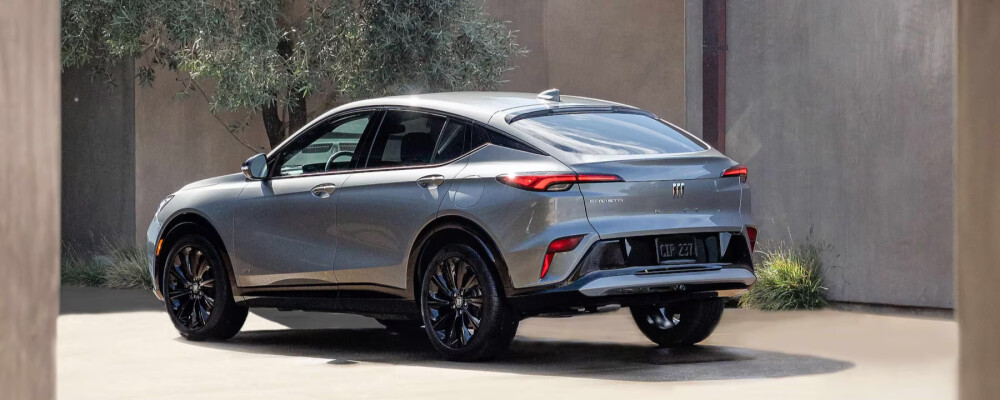
2025 Buick Envista Overview
Do you want to take on your Biloxi commutes in dramatic style? With its striking coupe-inspired exterior, the 2025 Buick…