
2026 GMC Sierra 1500 3.0L Duramax vs. 6.2L V8: Which Engine Is Best for Gulf Coast Drivers?
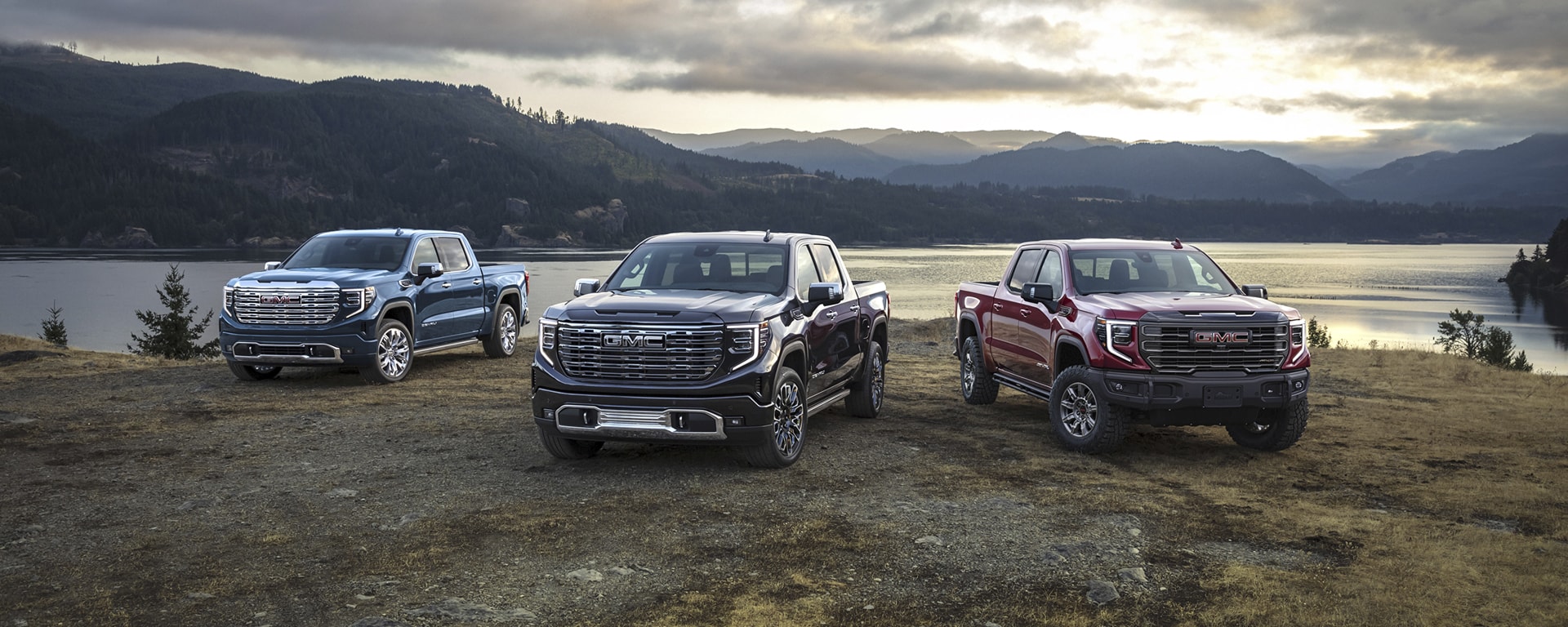
For most Gulf Coast drivers who tow a boat or cover long highway distances regularly, the 2026 GMC Sierra 1500 Duramax is the better fit because of its 495 lb-ft of torque, strong towing efficiency and longer driving range. Choose the 6.2L V8 if you prioritize 420 horsepower, gasoline convenience, responsive acceleration and fewer concerns about diesel exhaust-system operation during repeated short trips.
The right answer depends less on the engines’ headline towing numbers than on how you drive, what your loaded trailer weighs and how much payload your exact truck can carry. GMC’s published ratings also vary by cab, bed, drivetrain, trim, axle ratio, wheels and trailering equipment.
Quick 2026 Sierra 1500 engine comparison
The official GMC Sierra 1500 specifications list 305 horsepower and 495 lb-ft of torque for the available 3.0L Duramax turbo-diesel. The 6.2L EcoTec3 gasoline V8 produces 420 horsepower and 460 lb-ft. Both use a 10-speed automatic transmission, but neither engine is offered in every Sierra configuration.
| Category | 3.0L Duramax turbo-diesel | 6.2L EcoTec3 V8 |
|---|---|---|
| Layout | Turbocharged inline-six diesel | Naturally aspirated gasoline V8 |
| Horsepower | 305 hp | 420 hp |
| Torque | 495 lb-ft | 460 lb-ft |
| Transmission | 10-speed automatic | 10-speed automatic |
| Maximum available trailering | Up to 13,300 pounds when properly configured | Up to 13,100 pounds when properly configured |
| Fuel and fluid needs | Ultra-low-sulfur diesel plus diesel exhaust fluid | Gasoline; premium is recommended for full performance |
| Best general use | Frequent towing, highway mileage and low-rpm pulling power | Shorter trips, strong acceleration and gasoline simplicity |
Towing and performance: torque is only part of the answer
Why the Duramax feels suited to heavy work
The Duramax produces 35 lb-ft more peak torque than the 6.2L. More importantly, a turbo-diesel is designed to deliver substantial pulling force at relatively low engine speeds. That character is useful when moving a loaded boat trailer away from a ramp, merging onto I-10 or maintaining speed without repeatedly revving the engine.
Why the 6.2L V8 still appeals to towing drivers
The 6.2L counters with 115 more horsepower. Drivers may prefer its gasoline V8 response for passing, unloaded acceleration and recreational driving. It can also tow substantial trailers when installed in the correct configuration, so choosing gasoline does not automatically mean giving up heavy-duty capability.
The published maximums are separated by only 200 pounds. In practice, payload, hitch weight and configuration can matter more than that difference. Consider a truck carrying four occupants, coolers, bed cargo and a conventional trailer’s tongue weight. All of those loads consume the capacity shown on the Tire and Loading Information label.
The National Highway Traffic Safety Administration’s towing guidance emphasizes correct loading, tire pressure, hitch equipment and trailer balance. Drivers should use the trailer manufacturer’s specified tongue-weight range and weigh the loaded combination rather than relying on an empty or advertised boat weight.
For help matching a boat and trailer to the right truck class, consult Mandal Buick GMC’s Gulf Coast boat-towing guide.
What matters for Gulf Coast driving?
Long highway trips favor the Duramax
Drivers who routinely travel between coastal communities, commute significant distances or pull a boat to inland lakes can make better use of the diesel’s efficiency and torque. A long, steady drive also suits normal diesel particulate filter operation better than a schedule made almost entirely of brief, low-speed trips.
Short local trips may favor the V8
If the truck mainly handles school runs, errands and short job-site trips around the Biloxi area, the 6.2L may be the easier ownership match. It does not need diesel exhaust fluid and does not use a diesel particulate filter that must periodically clean itself through regeneration.
Boat ramps and salt exposure do not decide the engine
Low-speed torque is helpful at a ramp, but traction, tire condition, ramp angle and trailer weight are more important than choosing diesel or gasoline. Four-wheel drive can provide useful traction on a slippery launch, although it does not increase the truck’s payload rating or make an overloaded trailer safe.
Salt and brackish water affect trailer brakes, hubs, connectors, hitch components and exposed metal regardless of engine choice. Follow the boat and trailer manufacturers’ freshwater-rinsing and inspection instructions after saltwater use.
Neither engine makes floodwater safe
A Sierra’s ride height or four-wheel drive should never be treated as permission to enter a flooded roadway. Water can hide washouts, move a vehicle or damage mechanical and electrical systems. Follow federal flood-safety guidance and turn around rather than attempting to cross.
Fuel economy and ownership cost: calculate, do not assume
The GMC Sierra 1500 diesel generally offers the efficiency advantage, but the financial result depends on annual mileage, local diesel and premium-gas prices, engine pricing, DEF consumption and how long the truck is kept. EPA ratings also vary by two-wheel drive, four-wheel drive and other vehicle specifications.
Compare the EPA labels on the exact trucks under consideration. The EPA fuel-economy label guide explains how to read combined economy, annual fuel-cost estimates and the assumptions behind those numbers.
A simple annual fuel-cost calculation
Annual fuel cost = annual miles ÷ expected MPG × local fuel price.
For example, these are hypothetical—not official EPA estimates or current Gulf Coast prices:
- Duramax: 15,000 miles ÷ 24 MPG × $3.50 diesel = approximately $2,188 per year.
- 6.2L V8: 15,000 miles ÷ 17 MPG × $3.70 premium gasoline = approximately $3,265 per year.
- Illustrative difference: approximately $1,077 per year before DEF, maintenance, financing, insurance or resale value.
Replace every assumption with the window-sticker rating, your recent annual mileage and fuel prices from stations you actually use. Low-mileage owners may take much longer to recover any additional diesel purchase cost. High-mileage highway drivers can reach that point sooner.
A vehicle payment calculation can help compare purchase costs, but it should be considered alongside fuel and maintenance rather than by itself.
Maintenance and diesel-use requirements
What the Duramax adds
- Diesel exhaust fluid: DEF is stored in a separate tank and supports the emissions-control system. It never goes into the diesel fuel tank.
- Diesel particulate filter: The DPF captures soot and periodically performs a high-temperature regeneration process.
- Fuel-system service: Diesel ownership includes attention to the fuel filter and any driver-information-center maintenance messages.
- Correct diesel fuel: Use fuel meeting the specifications in the owner’s manual; do not substitute gasoline.
Frequent short, slow trips can make it harder for the exhaust system to complete normal cleaning. If the truck displays an exhaust-filter message, follow the 2026 owner’s manual rather than improvising a regeneration procedure. Exhaust components can become extremely hot, so never park over dry grass or other combustible material during or after regeneration.
What the 6.2L requires
The V8 avoids DEF and diesel-specific aftertreatment ownership, but its fuel appetite is usually higher. GMC’s gasoline guidance recommends premium fuel for the 6.2L’s intended performance. Lower-octane fuel may be permitted under the manual’s conditions, but it can reduce acceleration or fuel economy. Review the current GMC manuals and guides for exact fuel specifications.
Whichever engine you select, observe the oil-life monitor, inspect tires before towing and follow severe-use maintenance guidance when applicable. Mandal Buick GMC provides online access to schedule Sierra service.
Who should choose each engine?
| Driving need | Likely better fit | Reason |
|---|---|---|
| Frequent boat or travel-trailer towing | 3.0L Duramax | Higher torque and strong loaded-driving efficiency |
| High annual highway mileage | 3.0L Duramax | Better opportunity to benefit from diesel fuel economy |
| Mostly short errands and low annual mileage | 6.2L V8 | No diesel regeneration or DEF considerations |
| Priority on horsepower and unloaded response | 6.2L V8 | 420-horsepower output and gasoline V8 character |
| Maximum advertised Sierra 1500 towing potential | 3.0L Duramax | Higher published maximum, subject to exact configuration |
| Avoiding premium gasoline | 3.0L Duramax | Uses diesel instead, although DEF and diesel pricing must be considered |
Bottom line: Choose the Duramax when towing and mileage are central to the truck’s job. Choose the 6.2L when you want the stronger horsepower figure, take many short trips or simply prefer gasoline ownership. Shoppers searching for a GMC Sierra 1500 in Biloxi, MS, should compare actual payload labels and EPA window stickers—not just engine brochures.
Test-drive and ordering checklist
- Record the loaded trailer weight. Include fuel, batteries, water, fishing gear, food and everything normally carried.
- Estimate total truck cargo. Count passengers, bed cargo, accessories and hitch or tongue weight.
- Check the individual payload label. Two visually similar Sierras can have different capacities.
- Confirm the VIN-specific tow rating. Verify cab, bed, drivetrain, axle and trailering-package requirements.
- Drive both engines at low and highway speeds. Compare throttle response, transmission behavior, noise and visibility.
- Review both EPA labels. Use their combined ratings in a personalized annual fuel-cost calculation.
- Consider your trip pattern. Be honest about whether the truck will regularly complete longer drives or mostly make short local trips.
- Verify fuel requirements and maintenance schedules. Review the 2026 manual and warranty booklet before purchasing.
Frequently asked questions
Which 2026 Sierra engine can tow more?
GMC publishes a maximum available rating of up to 13,300 pounds for the 3.0L Duramax and up to 13,100 pounds for the 6.2L V8. Those figures apply only to properly equipped configurations. An individual truck may have a substantially lower limit.
Is the 3.0 Duramax better for towing a boat?
It is often the better match for frequent or long-distance towing because of its 495 lb-ft of torque and diesel efficiency. For an occasional lighter boat, the 6.2L may be equally practical. Loaded trailer weight, payload and ramp traction remain essential.
Is the 6.2L V8 faster than the Duramax?
The V8 has 115 more horsepower and is likely to feel stronger during unloaded acceleration. GMC does not publish one universal acceleration time because trim, drivetrain, tires, weight and conditions change the result.
Is the Duramax a good choice for short trips?
It can make short trips, but a routine dominated by brief, low-speed driving may be a poor fit for a modern diesel particulate filter. Drivers who rarely take longer trips may find the gasoline V8 more convenient.
Does the 3.0L Duramax use DEF?
Yes. Diesel exhaust fluid supports the emissions system and goes into its own clearly identified tank. Monitor the truck’s DEF level and refill it with fluid meeting the owner’s-manual specification.
Does the 6.2L Sierra require premium gas?
Premium gasoline is recommended for the 6.2L’s intended performance. Consult the 2026 owner’s manual for permitted octane levels and the potential effects of using lower-octane gasoline.
Do I need four-wheel drive at a boat ramp?
Not for every ramp, but four-wheel drive can provide additional traction on steep, wet or slippery surfaces. It does not raise the payload rating, compensate for poor tires or make it safe to exceed trailering limits.
Will every Duramax Sierra tow 13,300 pounds?
No. Maximum trailering depends on the truck’s cab, bed, drivetrain, trim, wheels, axle and required equipment. Always use the specific truck’s labels and trailering documentation.
Compare Sierra engines at Mandal Buick GMC
Use the current Mandal Buick GMC vehicle listings to identify Sierra configurations with the 3.0L Duramax or 6.2L V8. Availability and specifications can change, so confirm the engine, drivetrain, payload label and trailering equipment on the exact vehicle.
If the required combination is not listed, submit a GMC factory-order request and include your loaded trailer weight, preferred cab and bed, drivetrain needs and typical annual mileage. That information makes the engine discussion much more useful than choosing from maximum ratings alone.
Sources
How Can You Tell If a Used Car Has Flood Damage?
How Can You Tell If a Used Car Has Flood Damage? To determine whether a used car has flood damage,…
What Size Truck Do I Need to Tow a Boat? Gulf Coast Guide
What Size Truck Do You Need to Tow a Boat on the Mississippi Gulf Coast? The right truck depends on…
2025 Buick Envista Overview
Do you want to take on your Biloxi commutes in dramatic style? With its striking coupe-inspired exterior, the 2025 Buick…